Retirement of Pris Stratton
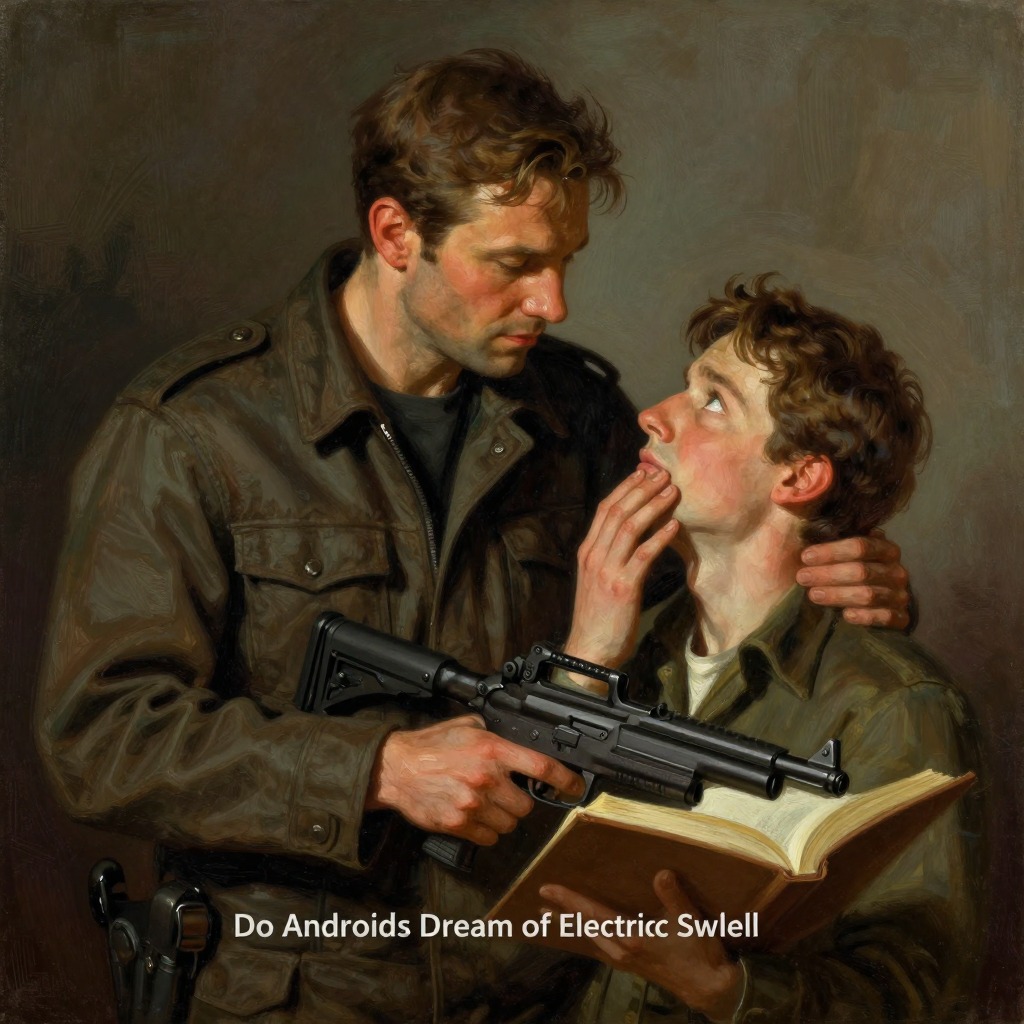
The retirement of Pris Stratton marks the emotional and psychological climax of Rick Deckard's twenty-four-hour hunt, the moment when the bounty hunter crosses a line from which he cannot return. Pris Stratton, the last of the three remaining escaped Nexus-6 androids, is not merely another target; she is a perfect physical duplicate of Rachael Rosen, the android with whom Deckard has just spent the night. When Deckard encounters her on the stairs of the abandoned conapt building, he hesitates, mistaking her for Rachael, and that hesitation nearly costs him his life. The android uses his confusion to close the distance, reaching for him with imploring arms, and Deckard fires only because Wilbur Mercer has warned him that this one is the hardest. The killing is instantaneous, but its consequences ripple through the remainder of the novel, confirming that Deckard can no longer separate his empathy for androids from his duty to destroy them.
The Setting and the Warning
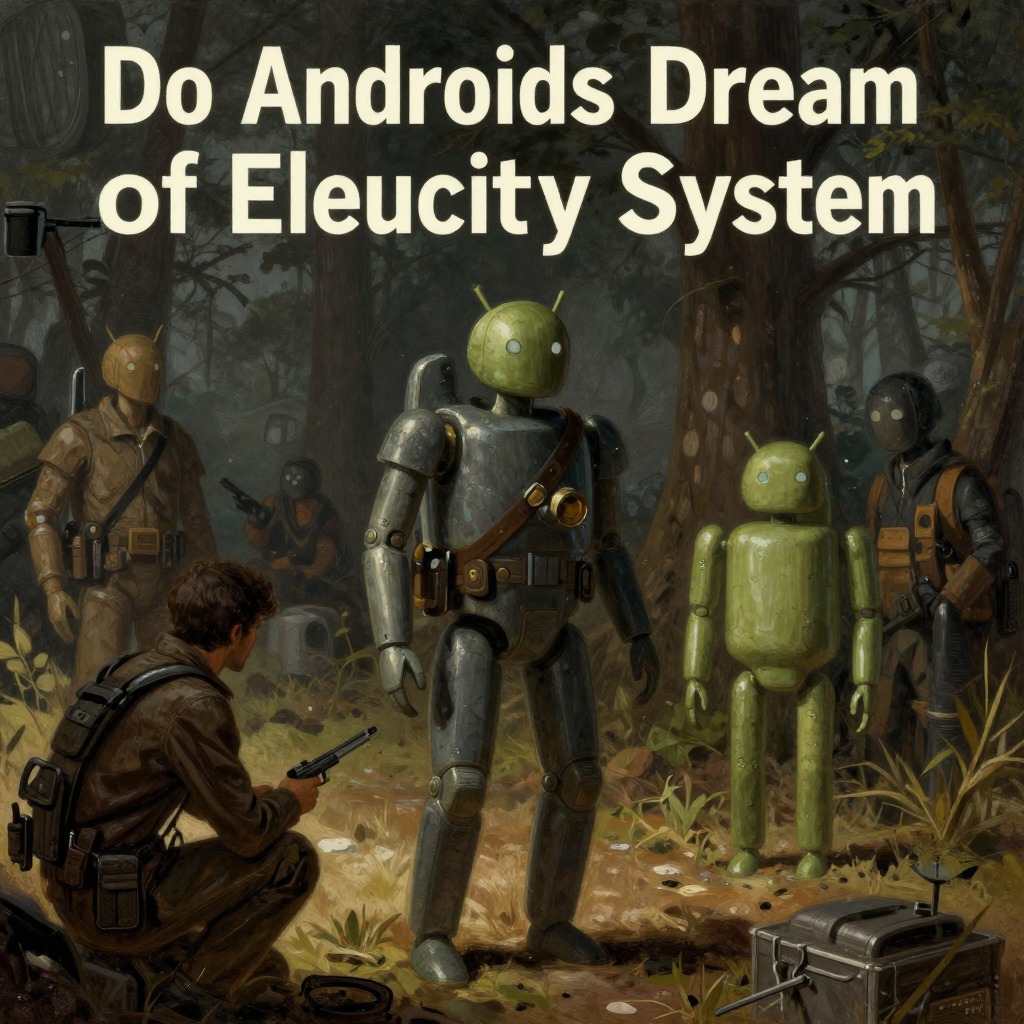
Deckard arrives at the dilapidated conapt building in the suburbs of San Francisco, guided by the detection gear from his hovercar. He has already retired Roy Baty and Irmgard Baty in their apartment, but before he can complete the sweep, he encounters a figure in the shadows on the stairs. The figure identifies itself as Mercer and warns Deckard that one of the androids is behind him and below, not in the apartment, and that it will be the hard one of the three. Mercer tells him to retire it first, and Deckard spins, sinking onto his haunches, his laser tube thrust out. The warning is precise and urgent, and it comes from the very source of the empathy religion that Deckard has just begun to doubt.
The Encounter and the Mistaken Identity
As the android glides up the stairs toward him, Deckard recognizes her and lowers his laser tube. He speaks her name, "Rachael," perplexed, wondering if she has followed him in her own hovercar. The android's clothes are wrong, but the eyes are the same, and Deckard is frozen by the recognition. The android, imploringly, dashes toward him, her arms reaching as if to clutch at him, and Deckard fires only at the last moment. The android bursts, parts of it flying, and a laser tube it carried rolls away, bouncing down the stairs. Deckard realizes that this was the hard one, the one Mercer had warned him about, and that she knew he could not do this. The android is Pris Stratton, but she is also Rachael Rosen, the prototype used by the manufacturer to protect the others. Deckard understands that they can follow him with Rachael Rosens until he dies or until the type becomes obsolete.
The Aftermath and the Realization
After the killing, Deckard stands alone in the empty hall. Mercer has left him because he has done what he came for. Pris Stratton has been dismembered, and that leaves nothing now, only himself. He realizes that the Batys, elsewhere in the building, have perceived what he has done and are now afraid. This had been their response to his presence, their attempt to use the Rachael Rosen duplicate to stop him. Without Mercer's warning, it would have worked. For them, winter has come. Deckard then proceeds to the apartment where the Batys are hiding, and he retires them as well, completing his assignment. But the killing of Pris Stratton has changed him irrevocably. He has done what he could not do before, and he knows that he will never be the same.
Thematic Significance
The retirement of Pris Stratton is the moment when Deckard fully confronts the implications of his empathy for androids. He has just spent the night with Rachael Rosen, an android who told him that no bounty hunter has ever gone on after being with her. Deckard's hesitation, his momentary confusion, and his eventual action all demonstrate that he is no longer the cold, efficient killer he once was. He has begun to empathize with androids, and this empathy makes his job impossible. The killing of Pris Stratton is not a triumph; it is a defeat, a confirmation that Deckard is now trapped in a cycle of violence from which he cannot escape. The android's death is also a mirror of the death of Deckard's own humanity, as he becomes the very thing he has been hunting: a killer who can no longer distinguish between the real and the artificial.